

Insurance premiums for the use of medical cannabis in Germany fall again
German flower production will not be able to reach retail store shelves until at least mid-2021, which means all flowers will continue to be imported from Canada, the Netherlands, Portugal as well as Spain.
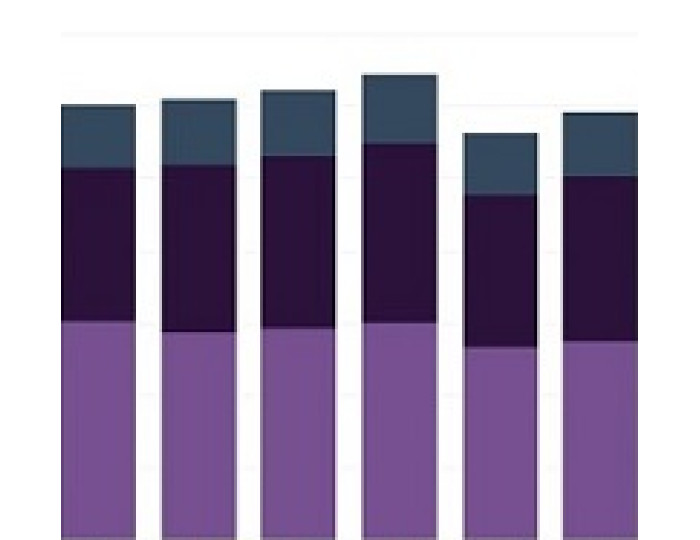
State health insurance reimbursement for medical cannabis in Germany falls for the second quarter in a row. This is the first time that reimbursements have been declining for two consecutive quarters since the start of the medical cannabis program, which has been regulated by the country's regulations since March 2017, according to published data. In particular, according to the German National Association of Compulsory Health Insurance Funds (GKV-Spitzenverband), in the third quarter of 2020 reimbursements for medical cannabis and cannabinoid-based drugs amounted to € 36 million ($ 43.8 million), up 2% less than in the previous quarter.

German GKV-Spitzenverband insurance claims
German pharmacies processed 82,986 prescriptions on a prescribed program in the quarter ending September 30. This is 3% more than in the previous quarter, but the average cost of a prescription has decreased by 5%.
While flower reimbursement is still higher than cannabis extracts and pharmaceuticals, reimbursement for flowers fell from € 20 million in the first quarter of 2020 to € 17.6 million and 16.8 million in the second and third quarters, respectively.
The category of extracts in the third quarter showed modest growth compared to the previous quarter.
The cost of the recipe, which averages around € 434, has declined across the board by an average of 5%, with a 7% decline for extracts representing the largest price reduction on the market.
Compared to the second quarter, compensation for flowers in the third quarter fell by 4% in value, while extracts sold as mainstream preparations barely increased by 1% in euro terms. The number of flower prescriptions covered by GKV insurers decreased by 2%, and the number of extract prescriptions increased by 8%. Compensation for finished pharmaceutical products was unchanged from the previous quarter.
We emphasize that while the ratio of refunded flower sales to total sales declined - from just over 50% of the total GKV market at the beginning of the year to 47% in the third quarter - the share of extracts is gradually increasing. It should be noted that the market for extracts is less competitive compared to the flower market, although new entrants are entering this segment. New products have recently become available in Germany in both full spectrum extracts and isolates.
The finished pharmaceutical product category, represented mainly by Sativex, remained stable, accounting for 15% of the market covered by GKV.
Commentary of experts of the Association "Ukrainian technical hemp"
Since March 2017, state health insurance companies have approved over 60,000 claims for reimbursement of the purchase of flowers, extracts or pharmaceuticals made from hemp. March 2020 was the best-selling month since the introduction of the relevant regulatory framework, with almost € 15 million in reimbursements, most likely associated with the onset of the COVID-19 pandemic. Since April, the volume of refunds has been approximately equal to the data shown at the end of 2019 and has remained stable since April at between € 11 and € 13 million, which most likely indicates market saturation. It should be borne in mind that for products that are not included in the category of "finished pharmaceutical products", pharmacies increase the price to 100% of the wholesale price.
German flower production is expected to be unable to reach retail store shelves until at least mid-2021, meaning that all flowers will continue to be imported from Canada, the Netherlands, Portugal as well as Spain.